Introducing TrainUp.com Institutes
A Next-Gen Approach To Corporate Education
Designed for professionals. Your skills, developed at your pace. Immerse yourself in a blended learning community and start developing your new skills now.
Enroll Now & Take $300 Off





COBRA Training Classes and Seminars
TrainUp.com Lists 1 Live cobra Training Events, 1 Virtual Live cobra Events, 6 Online cobra Courses, and 0 Training Video Collections
Read More
Read Less

COBRA Training Your Way


Or Choose From 24 Human Resources Sub-Categories
Human Resources
- ADA-Disabilities Training
- Affirmative Action - EEO Training
- Cafeteria Plan Training
- COBRA Training
- Compensation and Benefits Training
- Diversity Training
- FLSA Training
- FMLA Training
- HIPAA Training
- HR Compliance Training
- HR Generalist Training
- HR Internal Investigations Training
- HR Management Training
- Labor Law Training
- OSHA Training
- Payroll Training
- Personnel Law Training
- PHR - SPHR Training
- Recruiting - Hiring Training
- Sexual Harassment Training
- State Regulations Training
- Work and Life Training
- Workers' Compensation Training
- Workplace Health and Safety Training
View All
COBRA Training, Consolidated Omnibus Budget Reconciliation Act Courses and Seminars
TrainUp.com is your one-stop source for the best virtual cobra training and live courses nationwide. Start your search now and browse among 1 live instructor-led cobra training classes near you, from the industry's best cobra training companies such as HRcertification.com, The Human Equation, Inc., and PTS Training TrainUp.com also lists more than 6 self-paced online cobra training courses, micro-learning videos, and eLearning bundles. If you have a team to train, we can conduct a course just for you. Check out our onsite on-site cobra training page to request a custom virtual or in-person training quote today.
Request COBRA On-Site Training. We bring the best instructors to you.
TrainUp.com is your one-stop source for the best virtual cobra training and live courses nationwide. Start your search now and browse among 1 live instructor-led cobra training classes near you, from the industry's best cobra training companies such as HRcertification.com, The Human Equation, Inc., and PTS Training TrainUp.com also lists more than 6 self-paced online cobra training courses, micro-learning videos, and eLearning bundles. If you have a team to train, we can conduct a course just for you. Check out our onsite on-site cobra training page to request a custom virtual or in-person training quote today.
Instructor-Led
Live Training
(0 Classes)
Self-Paced Courses
(6 eLearning Courses)
& Video Collections
(0 Bundles)
Up to 37% off Training
Live Training
(0 Classes)
Live Training(0 Results)
Individual OnlineSelf-Paced Courses
(6 eLearning Courses)
online Courses(6 Results)
E-learning bundles& Video Collections
(0 Bundles)
E-learning Collections(0 Results)
SPECIAL PROMOUp to 37% off Training
SPECIAL PROMOUp to 37% off Training

Looking for Live Training courses?
Please call us at 1-866-540-9677.
 Course ID: 187620
Integrating FMLA, ADA, COBRA, And Workers' Compensation Training & Certification Program
FMLA, ADA, COBRA, and Workers' Compensation are difficult enough to administer independently, let al...
Duration
n/a
Duration
n/a
Price: $599
VIEW DETAILS
Course ID: 187597
COBRA Training & Certification Program
With changing rules, regulations, and court cases, being COBRA compliant is extremely complex. Not u...
Duration
n/a
Duration
n/a
Price: $599
VIEW DETAILS
Course ID: 341234
COBRA Subsidies Under the American Rescue Plan
COBRA Subsidies Under the American Rescue Plan
Duration
n/a
Duration
n/a
Price: $149
VIEW DETAILS
Course ID: 341361
Military Leave Rights: USERRA, VEVRRA, FMLA, COBRA, HIPAA, and More
Military Leave Rights: USERRA, VEVRRA, FMLA, COBRA, HIPAA, and More
Duration
n/a
Duration
n/a
Price: $149
VIEW DETAILS
Course ID: 187906
Complying with COBRA
The Consolidated Omnibus Budget Reconciliation Act (COBRA) was signed into law in 1986, making exten...
Duration
n/a
Duration
n/a
Price: $19
VIEW DETAILS
Course ID: 314250
Negotiating Indemnification, Reps, and Warranties in Indiana
<p>Are you strategically negotiating critical provisions to the best of your ability? With boilerplate provisions not being a potential option, the amount of risk, liability and potential error soars to an all-time high. Veteran contract attorneys who negotiate complex provisions daily and know the extreme dangers and problems that indemnification and other clauses bring, will equip you with proven, real-world negotiation skills you can start using right away to ensure your clients are fully protected. Dont miss this unique contract negotiations course that goes far beyond what any textbook can teach you. Register now!</p> <ul> <li>Dig deep into the ins and outs of these thorny clauses and gain years of experience.</li> <li>Get real-world drafting examples and checklists you can use right away.</li> <li>Create rock-solid, enforceable provisions to avoid liability, damages and potential disputes.</li> <li>Review different types of clauses and how they should be negotiated in various agreements.</li> <li>Dig deep into the entanglement of indemnification, hold harmless and limitation of liability.</li> <li>Identify detrimental mistakes attorneys commonly make in contract negotiations</li> <li>Strategically apply state law to your clients advantage.</li> <li>Learn how to extinguish culpability with sophisticated negotiation methods.</li> <li>Review real-world examples of negotiations gone wrong.</li> </ul>...
Duration
1 Days
Duration
1 Days
Price: $389
VIEW DETAILS
Looking for E-learning bundles/Video Collections ?
Please call us at 1-866-540-9677.

Get Up to 20% off Live & Online Training Courses
Discounts Across Hundreds of Training Providers
Start saving on all your purchases for team, department & enterprise-wide training
Discounts applicable to online and live instructor-led training
Customized corporate landing page at TrainUp.com for quick, easy registration

We’ll Conduct The Course Just For Your Team
Get $250 Off Your First Custom Training
Save money and boost productivity by delivering the training in-house
You pick the topic, we will customize your training to fit your needs and budget
1000+ tenured instructor network. Hundreds of topics in business skills, HR, IT & more
We’ll send the best experts to help you achieve your learning goals

Get Up to 20% off eLearning
& MicroLearning Deals for Groups
Empower your workers to learn at their own pace while maintaining content / message consistency
SCORM /AICC compliant. Upload content to your LMS
We’ll help customize your curriculum. Send us a request today to preview our entire online training catalog
SCORM /AICC compliant. Upload content to your LMS
We’ll help customize your curriculum. Send us a request today to preview our entire online training catalog

Customized eLearning Solutions
Get $500 off Your First Course
Contact us to learn more about our client-centric, custom eLearning services, including:
ILT /Virtual Live to eLearning MicroLearning Video Development Mobile Learning Gamified Learning Flash to HTML5 Conversion
ILT /Virtual Live to eLearning MicroLearning Video Development Mobile Learning Gamified Learning Flash to HTML5 Conversion
TrainUp.com is your one-stop source for the best virtual cobra training and live courses nationwide. Start your search now and browse among 1 live instructor-led cobra training classes near you, from the industry's best cobra training companies such as HRcertification.com, The Human Equation, Inc., and PTS Training TrainUp.com also lists more than 6 self-paced online cobra training courses, micro-learning videos, and eLearning bundles. If you have a team to train, we can conduct a course just for you. Check out our onsite on-site cobra training page to request a custom virtual or in-person training quote today.
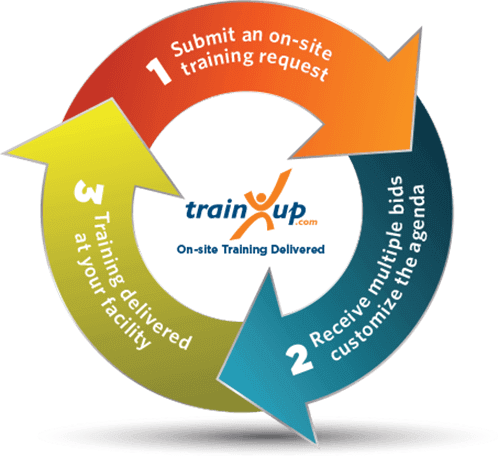
Request COBRA On-Site Training. We bring the best instructors to you.
Consolidated Omnibus Budget Reconciliation Act Courses and Workshops
The Consolidated Omnibus Budget Reconciliation Act (COBRA) gives workers and their families who lose their health benefits the right to choose to continue group health benefits provided by their group health plan for limited periods of time under certain circumstances such as voluntary or involuntary job loss, reduction in the hours worked, transition between jobs, death, divorce, and other life events. COBRA generally requires that group health plans sponsored by employers with 20 or more employees in the prior year offer employees and their families the opportunity for a temporary extension of health coverage (called continuation coverage) in certain instances where coverage under the plan would otherwise end. A competitive benefits package can help you hire and retain the best employees.
Recent U.S. Department of Labor executive orders have led to increased demand for training courses that update and educate human resource professionals and managers responsible for outsourcing or handling COBRA administration internally.
As an HR professional, do you know the current requirements for the COBRA notifications you must give your employees? Do your employees know which coverages must be offered and when coverage changes are allowed? What about the confusing reasons and requirements for terminating COBRA coverage?
Healthcare benefits remain one of the more complicated aspects of human resources management, but the issue gets no simpler when employees leave a business. The Consolidated Omnibus Budget Reconciliation Act of 1985 offered workers the right to continued healthcare coverage, but only under certain conditions. Human resources managers must understand what those conditions are, what steps they must take throughout the process and under what circumstances such coverage can be terminated.
TrainUp can help businesses find COBRA training programs that will detail the federal regulations, variations at the state level and the expectations of business throughout the use of COBRA coverage.
Related COBRA Training
- COBRA training in New York, NY
- COBRA training in Los Angeles, CA
- COBRA training in Chicago, IL
- COBRA training in Houston, TX
- COBRA training in Philadelphia, PA
- COBRA training in Phoenix, AZ
- COBRA training in San Antonio, TX
- COBRA training in San Diego, CA
- COBRA training in Dallas, TX
- COBRA training in San Jose, CA
- COBRA training in Indianapolis, IN
- COBRA training in Jacksonville, FL
- COBRA training in San Francisco, CA
- COBRA training in Columbus, OH
- COBRA training in Charlotte, NC
- COBRA training in Detroit, MI
- COBRA training in Seattle, WA
- COBRA training in Denver, CO
- COBRA training in Boston, MA
- COBRA training in Oklahoma City, OK
- COBRA training in Las Vegas, NV
- COBRA training in Kansas City, MO
- COBRA training in Atlanta, GA
- COBRA training in Toronto, ON
- COBRA training in Vancouver, BC
Join The 50,000+ Companies That Have Purchased Training from TrainUp.com
-
50K+ Companies Trained
Including 90% Of Fortune 500 Companies Have Purchased Training With TrainUp.com
-
300K+ Courses & Videos
Live Instructor-Led (Classroom & Virtual), Self-Paced E-learning & Custom OnSite Training Solutions From Leading Training Providers
-
800+ Expert Instructors
Industry-Leading Subject Matter Experts (SMEs).Tenured &
Award-Winning Instructor Network
The best content and the best Training Providers are at TrainUp.com



Get the latest industry news, recommended courses, & promotions from TrainUp.com sent straight to your inbox.